parajes
parajes
parajes
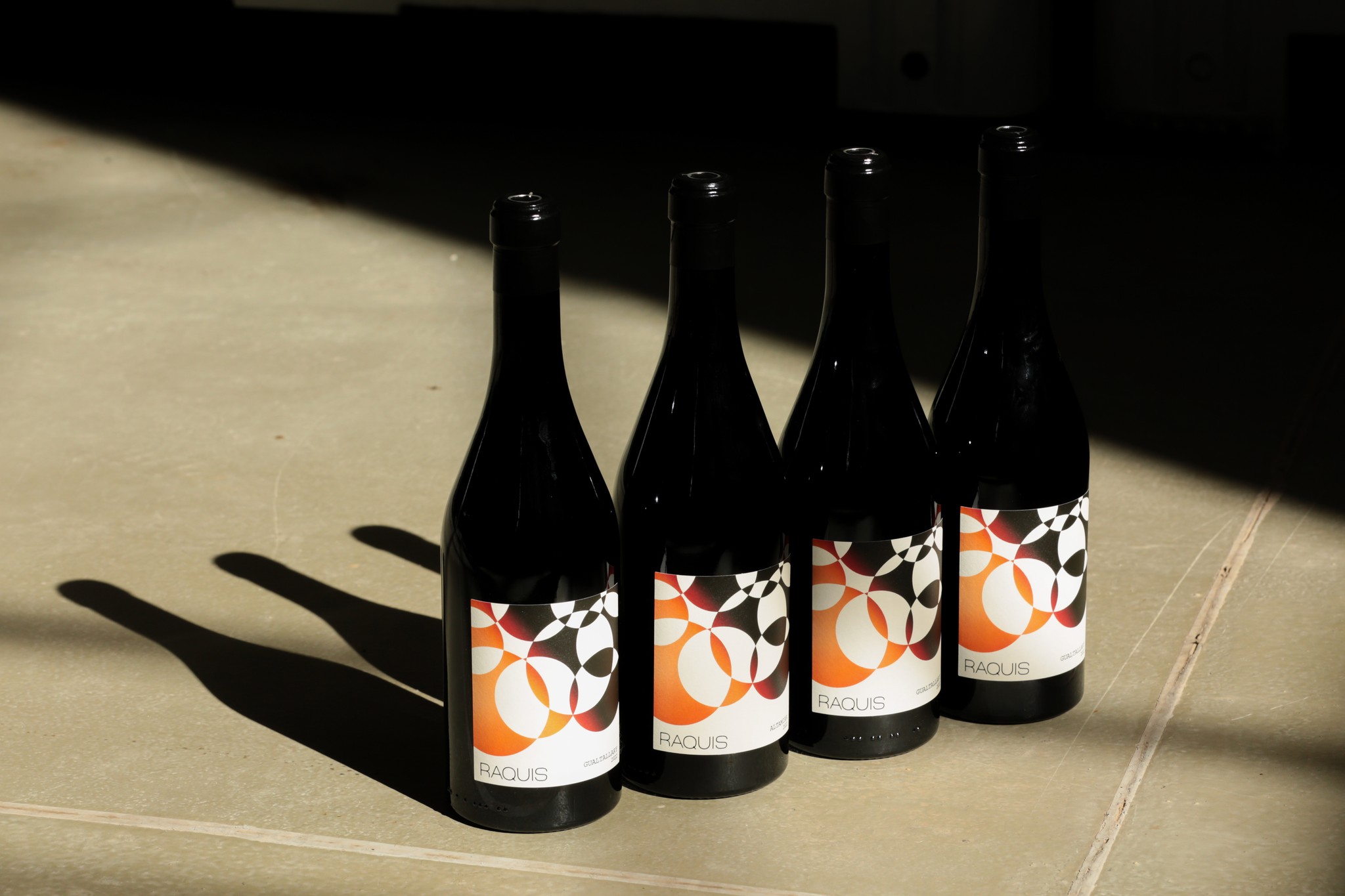
Wines that convey a sense of origin four sites with distinctive identities: Gualtallary, San Pablo, Chacayes, and Paraje Altamira.
Wines that convey a sense of origin four sites with distinctive identities: Gualtallary, San Pablo, Chacayes, and Paraje Altamira.
San Pablo
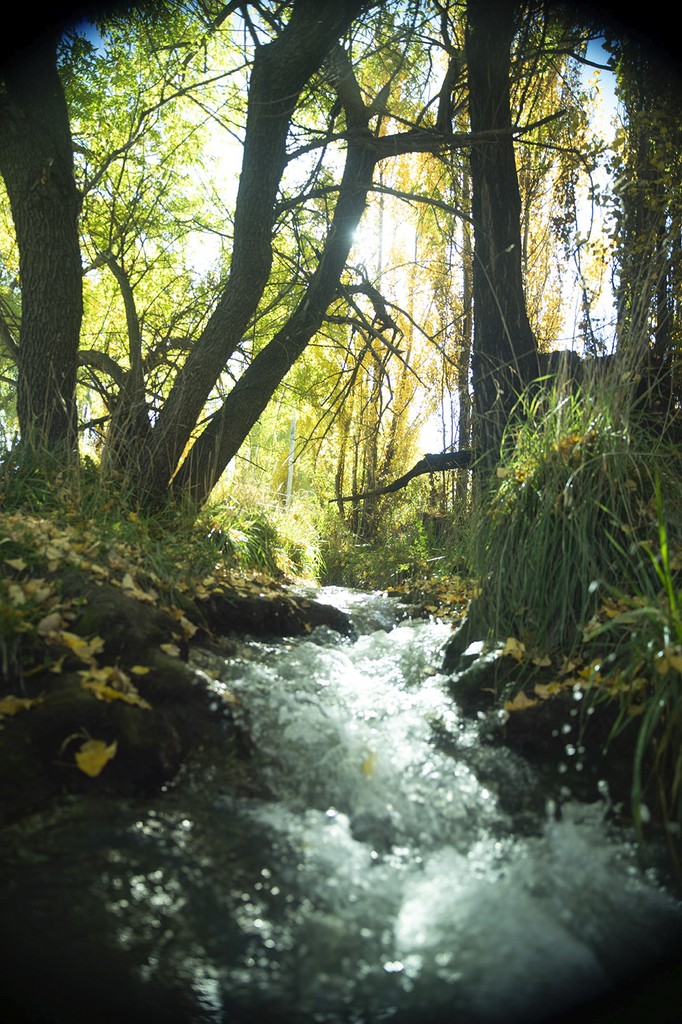
The soils of San Pablo, of alluvial origin from the Río Las Tunas, are distinguished by a sandy-silty top layer up to 50 cm deep, promoting optimal water retention and contributing to a cooler environment. This upper layer rests on a rocky, limestone-rich subsoil, completing a highly compelling soil profile.
San Pablo
The soils of San Pablo, of alluvial origin from the Río Las Tunas, are distinguished by a sandy-silty top layer up to 50 cm deep, promoting optimal water retention and contributing to a cooler environment. This upper layer rests on a rocky, limestone-rich subsoil, completing a highly compelling soil profile.
Origin: San Pablo, Tunuyán
Elevation: 1,400 meters above sea level
Variety: 97% Chardonnay, 3% Sauvignon Blanc (co-fermented)
Vintage: 2023
Vinification: Early harvest, gentle destemming, and 36 hours of cold whole-berry maceration under protected atmosphere (without oxidation). Foot treading followed by manual pressing. Fermentation in Clayver vessels (67%) and neutral barrels of various uses (33%).
Aging: Aged for 20 months in the same fermentation vessels. Unfined and unfiltered.
Technical Data: 13.0% Alc.; pH: 3.22
Production: 857 bottles produced (50 magnums)
Origin: San Pablo, Tunuyán
Elevation: 1,400 meters above sea level
Variety: 97% Chardonnay, 3% Sauvignon Blanc (co-fermented)
Vintage: 2023
Vinification: Early harvest, gentle destemming, and 36 hours of cold whole-berry maceration under protected atmosphere (without oxidation). Foot treading followed by manual pressing. Fermentation in Clayver vessels (67%) and neutral barrels of various uses (33%).
Aging: Aged for 20 months in the same fermentation vessels. Unfined and unfiltered.
Technical Data: 13.0% Alc.; pH: 3.22
Production: 857 bottles produced (50 magnums)
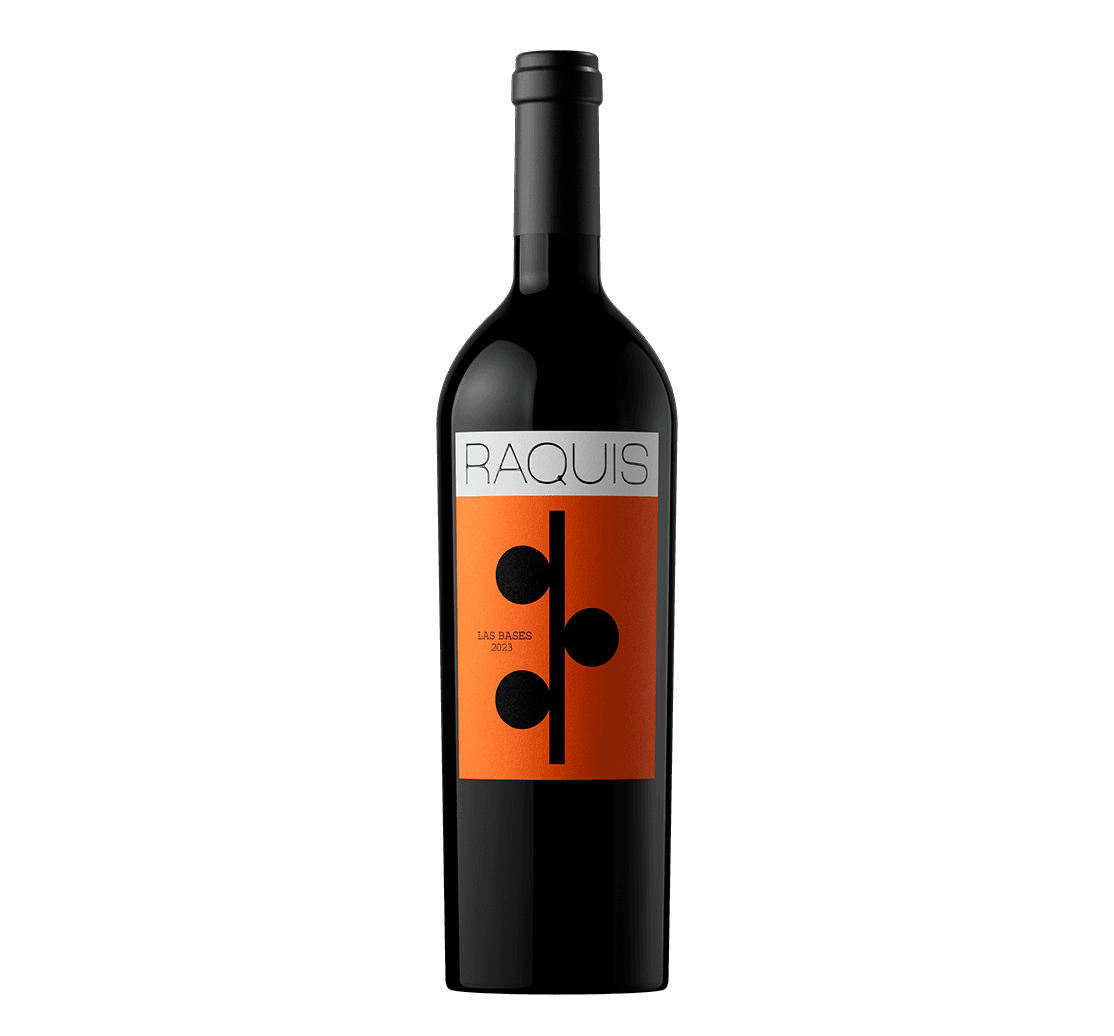
San Pablo
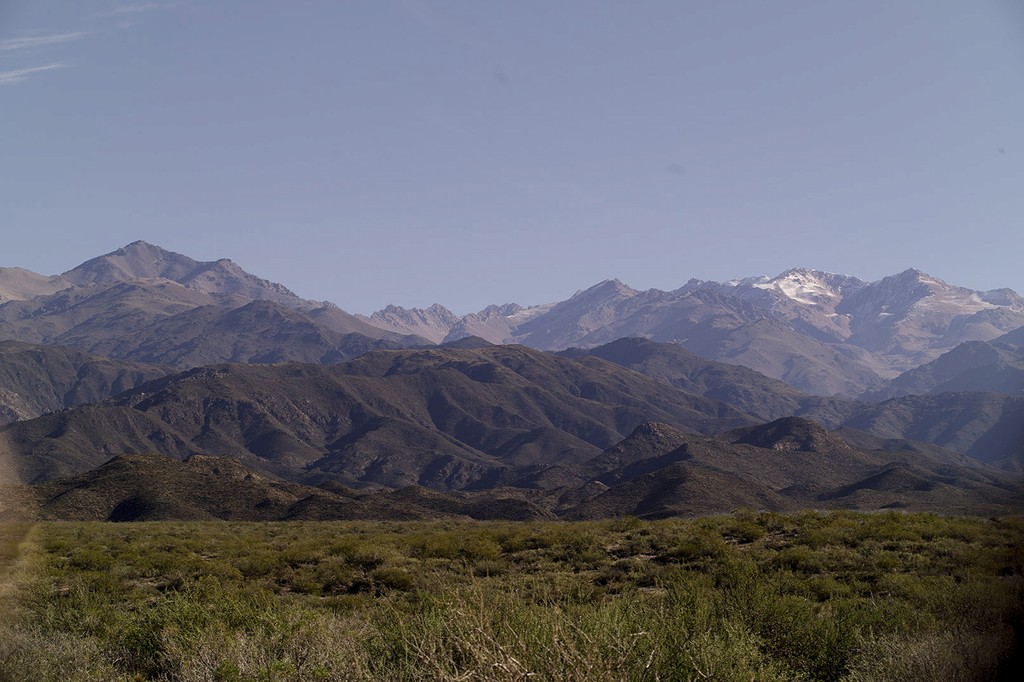
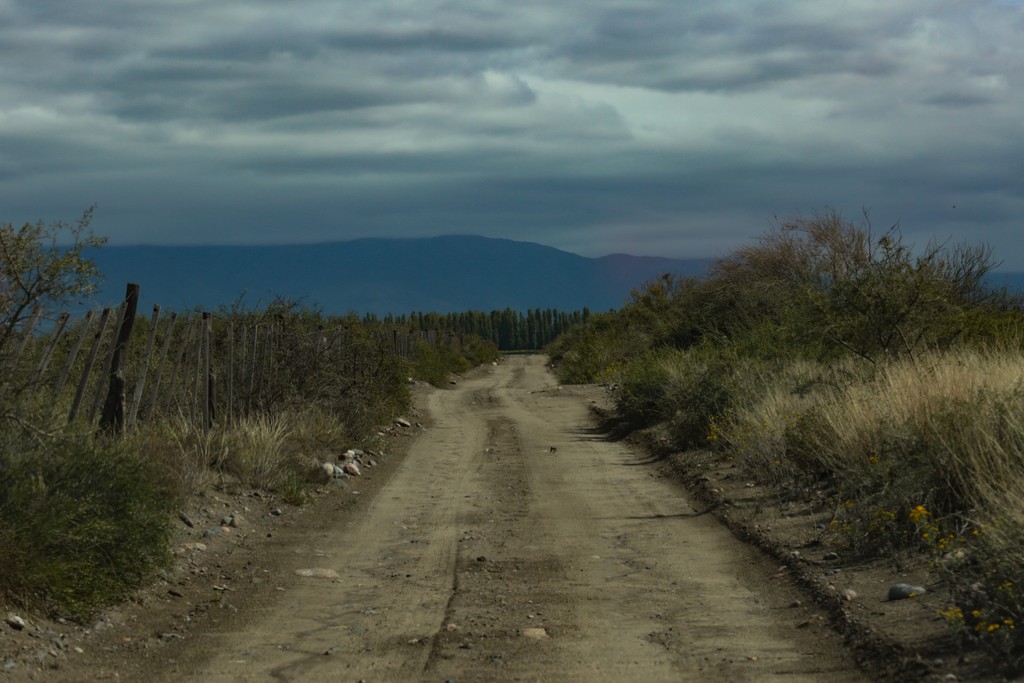
The soils of San Pablo, of alluvial origin from the Río Las Tunas, are distinguished by a sandy-silty top layer up to 50 cm deep, promoting optimal water retention and contributing to a cooler environment. This upper layer rests on a rocky, limestone-rich subsoil, completing a highly compelling soil profile.
Origin: San Pablo, Tunuyán
Elevation: 1,400 meters above sea level
Variety: 97% Cabernet Franc, 3% Malbec
Vintage: 2023
Vinification: This wine is made from destemmed grapes fermented in closed vessels at low temperatures with extended maceration periods.
Aging: Aged for more than 20 months in one French oak foudre and one Clayver vessel. Unfined and unfiltered.
Technical Data: 13.9% Alc.; pH: 3.47
Production: 2,513 bottles produced (100 magnums, 15 double magnums, 10 imperials — 6 liters)
Origin: San Pablo, Tunuyán
Elevation: 1,400 meters above sea level
Variety: 97% Cabernet Franc, 3% Malbec
Vintage: 2023
Vinification: This wine is made from destemmed grapes fermented in closed vessels at low temperatures with extended maceration periods.
Aging: Aged for more than 20 months in one French oak foudre and one Clayver vessel. Unfined and unfiltered.
Technical Data: 13.9% Alc.; pH: 3.47
Production: 2,513 bottles produced (100 magnums, 15 double magnums, 10 imperials — 6 liters)
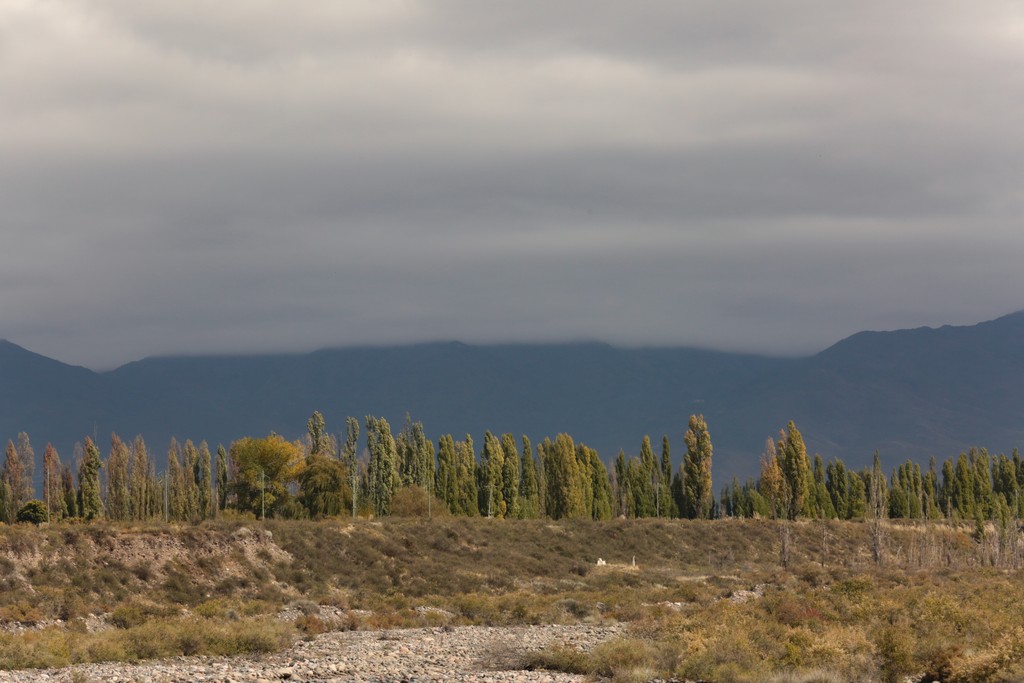
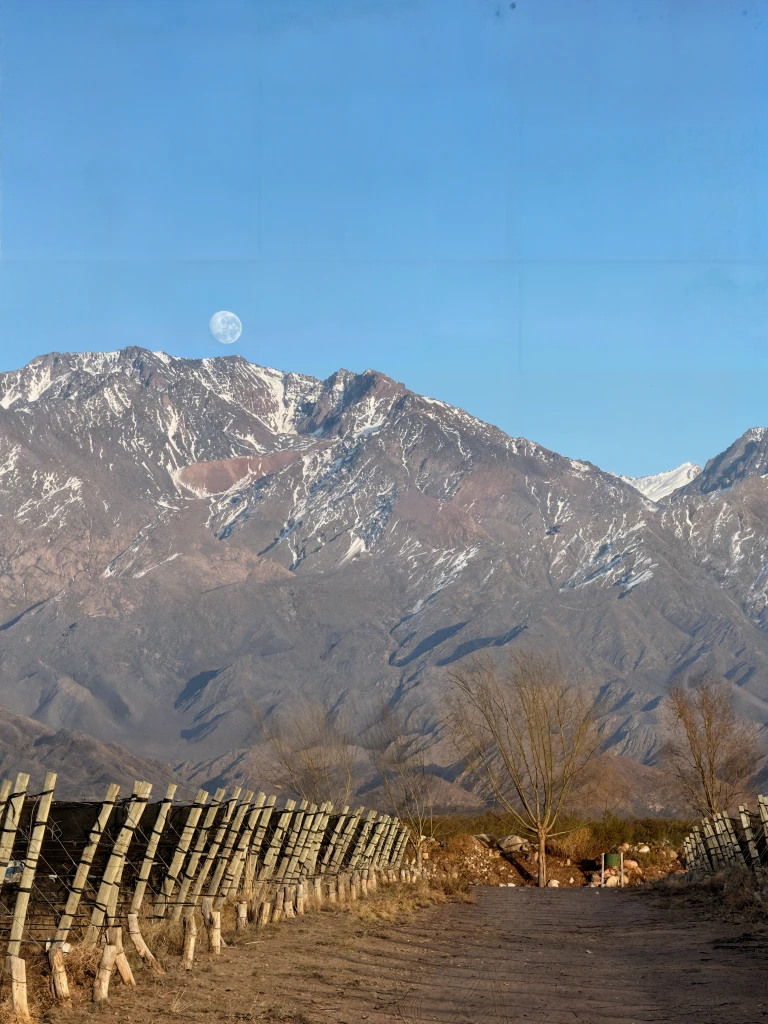
Altamira
Altamira
A terroir defined by the alluvial soils of the Río Tunuyán, forming a tapestry of micro-geographic variability. The selected parcels reveal shallow profiles dominated by large rounded stones coated with limestone and embedded within a sandy matrix, reflecting a singular geomorphology.
A terroir defined by the alluvial soils of the Río Tunuyán, forming a tapestry of micro-geographic variability. The selected parcels reveal shallow profiles dominated by large rounded stones coated with limestone and embedded within a sandy matrix, reflecting a singular geomorphology.
Origin: Altamira, San Carlos
Elevation: 1,100 meters above sea level
Variety: 85% Malbec, 15% Cabernet Sauvignon
Vintage: 2022
Vinification: The Malbec is fermented with an average of 20% whole clusters in open-top fermenters for 20 days, while the Cabernet Sauvignon (from a 60-year-old vineyard) is vinified in a small closed stainless steel tank with a total maceration exceeding 30 days.
Aging: The three components are aged separately in a stoneware amphora, a third-use French foudre, and barrels of different uses for more than 20 months. Unfined and unfiltered.
Technical Data: 14.2% Alc.; pH: 3.63
Production: 2,853 bottles produced (50 magnums)
Origin: Altamira, San Carlos
Elevation: 1,100 meters above sea level
Variety: 85% Malbec, 15% Cabernet Sauvignon
Vintage: 2022
Vinification: The Malbec is fermented with an average of 20% whole clusters in open-top fermenters for 20 days, while the Cabernet Sauvignon (from a 60-year-old vineyard) is vinified in a small closed stainless steel tank with a total maceration exceeding 30 days.
Aging: The three components are aged separately in a stoneware amphora, a third-use French foudre, and barrels of different uses for more than 20 months. Unfined and unfiltered.
Technical Data: 14.2% Alc.; pH: 3.63
Production: 2,853 bottles produced (50 magnums)
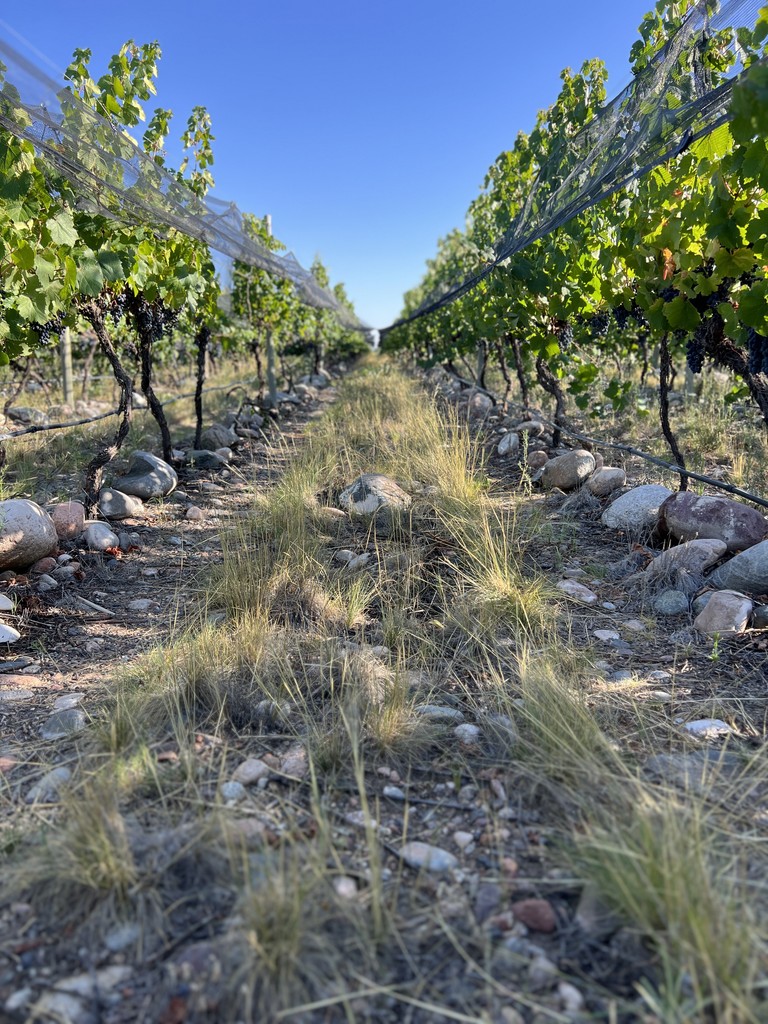
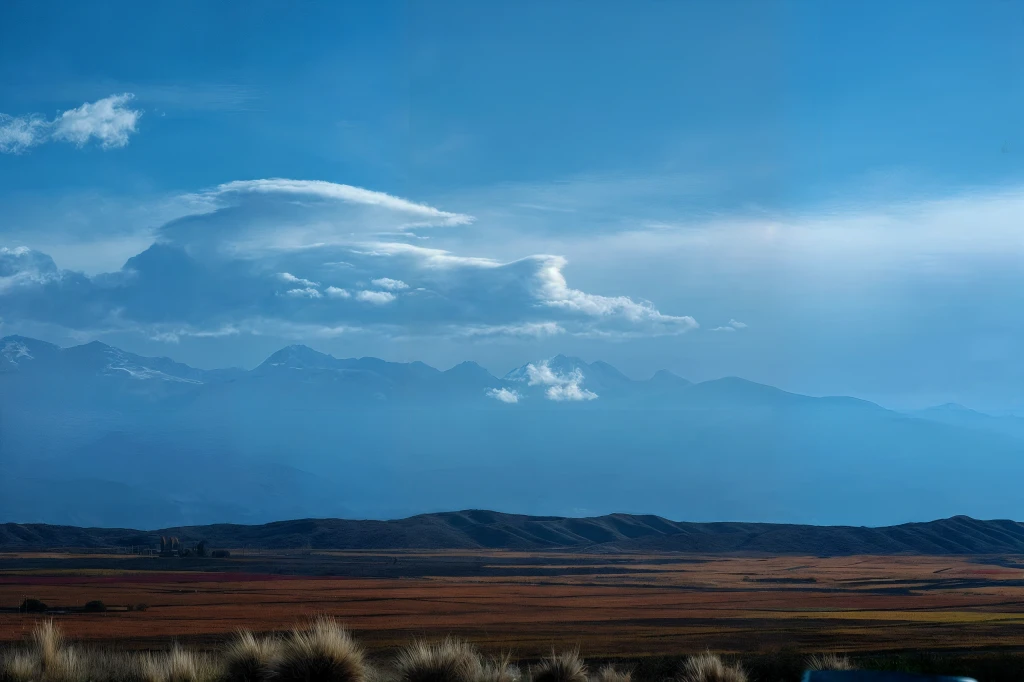
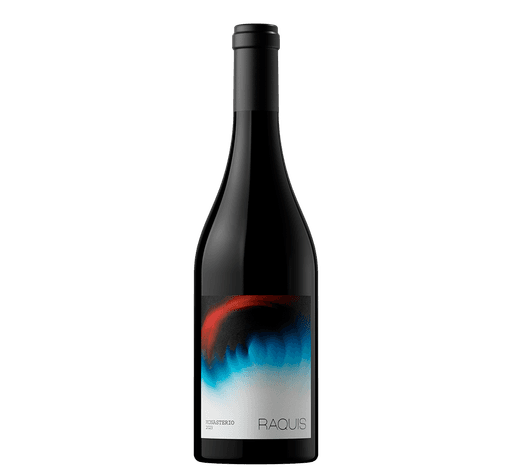
Gualtallary
Gualtallary
The soils of Gualtallary are shallow and distinctive, shaped by the Río Las Tunas and the influence of the surrounding hills. They are characterized by thin loamy top layers resting on an intensely rocky, limestone-rich subsoil, where calcium carbonate appears coating the gravels or even forming cemented layers and caliche.
Origin: Gualtallary (Albo and Monasterio) – Tupungato
Elevation: 1,350–1,500 meters above sea level
Variety: 89% Malbec, 11% Cabernet Franc
Vintage: 2023
Vinification: Six open-top microvinifications from the Monasterio sector (75%) and Albo sector (25%). Of these six lots, five are Malbec from different selections and one is Cabernet Franc.
Aging: 30% is aged in Italian ceramic vessels and the remainder in 225- and 500-liter French oak barrels of various uses. Unfined and unfiltered.
Technical Data: 14.4% Alc.; pH: 3.47
Production: 2,516 bottles produced (100 magnums, 14 double magnums, 10 imperials — 6 liters)
Origin: Gualtallary (Albo and Monasterio) – Tupungato
Elevation: 1,350–1,500 meters above sea level
Variety: 89% Malbec, 11% Cabernet Franc
Vintage: 2023
Vinification: Six open-top microvinifications from the Monasterio sector (75%) and Albo sector (25%). Of these six lots, five are Malbec from different selections and one is Cabernet Franc.
Aging: 30% is aged in Italian ceramic vessels and the remainder in 225- and 500-liter French oak barrels of various uses. Unfined and unfiltered.
Technical Data: 14.4% Alc.; pH: 3.47
Production: 2,516 bottles produced (100 magnums, 14 double magnums, 10 imperials — 6 liters)
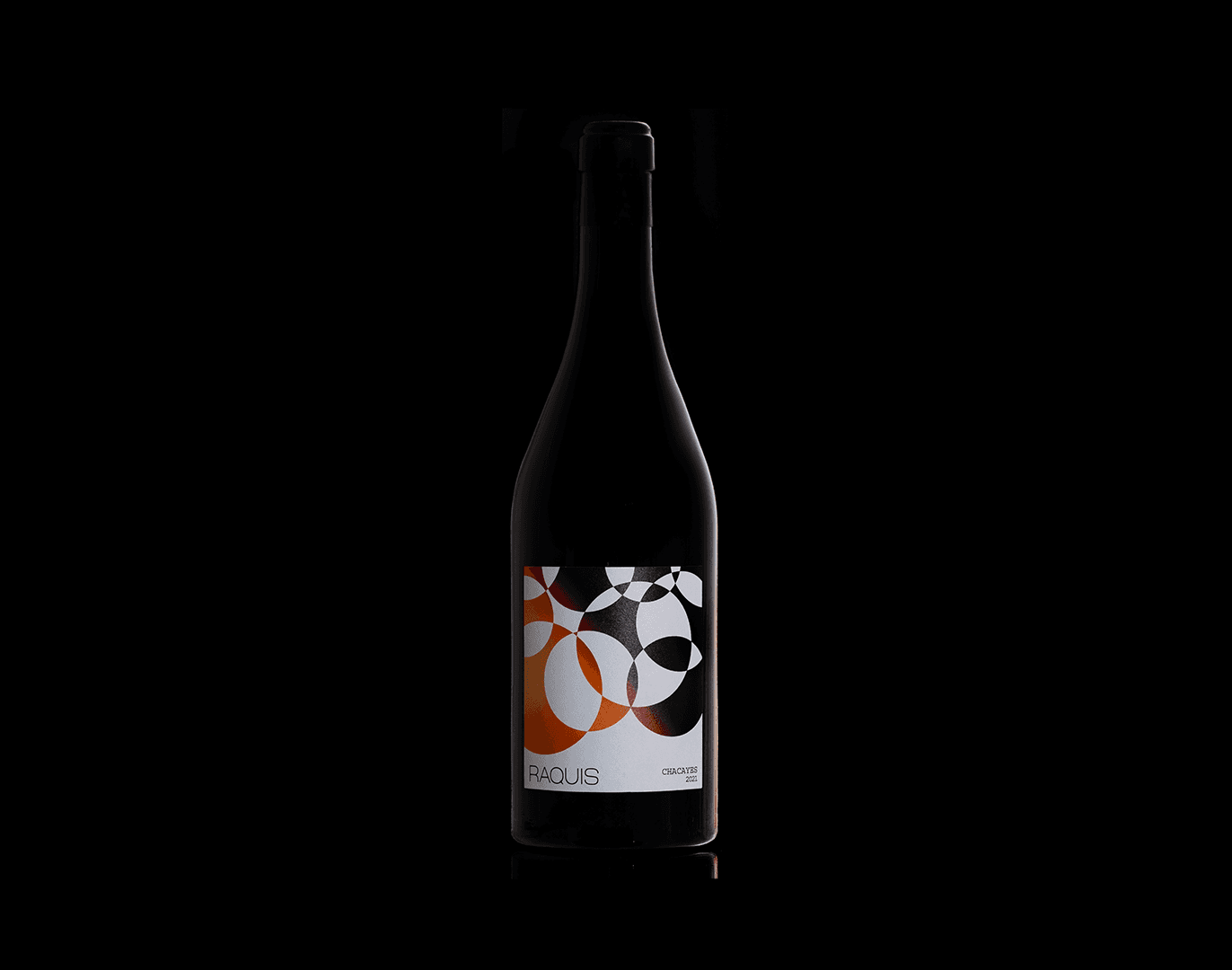
Chacayes
Chacayes
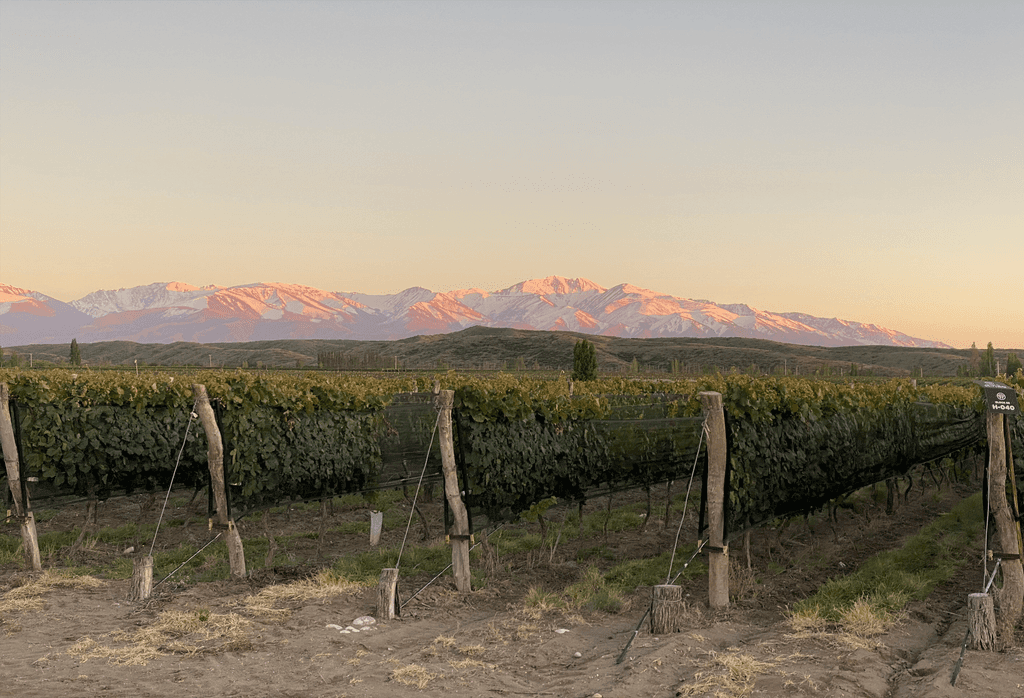
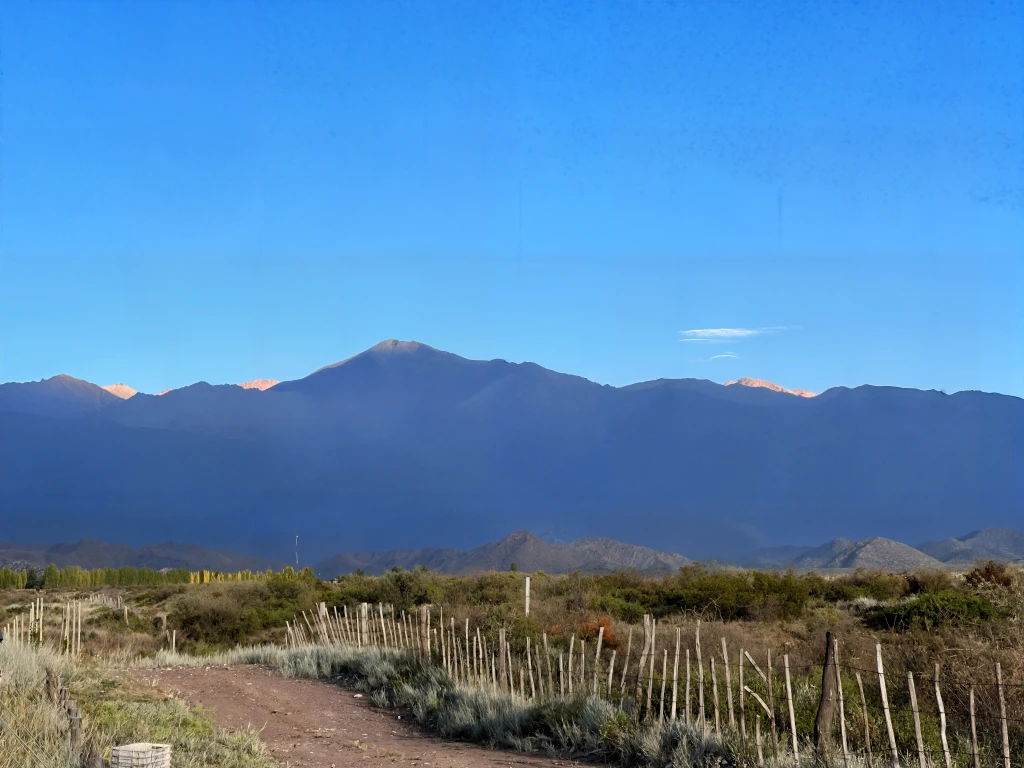
The soils of the selected parcels in Chacayes display a heterogeneous nature, resulting from both the alluvial influence of Arroyo Grande and colluvial deposits due to the proximity of the Andes. Profiles range from very shallow soils to sandy layers over rocky subsoils rich in angular gravels with limestone coatings and concretions, reflecting profound geological complexity.
Origin: Chacayes – Tunuyán
Elevation: 1,350 meters above sea level
Variety: 85% Malbec, 15% Cabernet Franc
Vintage: 2023
Vinification: All fermentations are carried out in open-top vessels with 15–20% whole clusters. Macerations are relatively short (15–20 days), and pressing is done manually.
Aging: Aged for 20 months in one Clayver vessel (15%), two French oak barrels, and one second-use 1,200-liter Austrian foudre. Unfined and unfiltered.
Technical Data: 14.1% Alc.; pH: 3.49
Production: 2,330 bottles produced (100 magnums, 14 double magnums, 10 imperials — 6 liters)
Origin: Chacayes – Tunuyán
Elevation: 1,350 meters above sea level
Variety: 85% Malbec, 15% Cabernet Franc
Vintage: 2023
Vinification: All fermentations are carried out in open-top vessels with 15–20% whole clusters. Macerations are relatively short (15–20 days), and pressing is done manually.
Aging: Aged for 20 months in one Clayver vessel (15%), two French oak barrels, and one second-use 1,200-liter Austrian foudre. Unfined and unfiltered.
Technical Data: 14.1% Alc.; pH: 3.49
Production: 2,330 bottles produced (100 magnums, 14 double magnums, 10 imperials — 6 liters)
Write to us
Write to us